Why Anxiety Shows Up in Your Body, Not Just Your Mind
Anxiety is not just in your head. It is in your chest, your gut and your shoulders, and that is exactly where some of the best tools work.
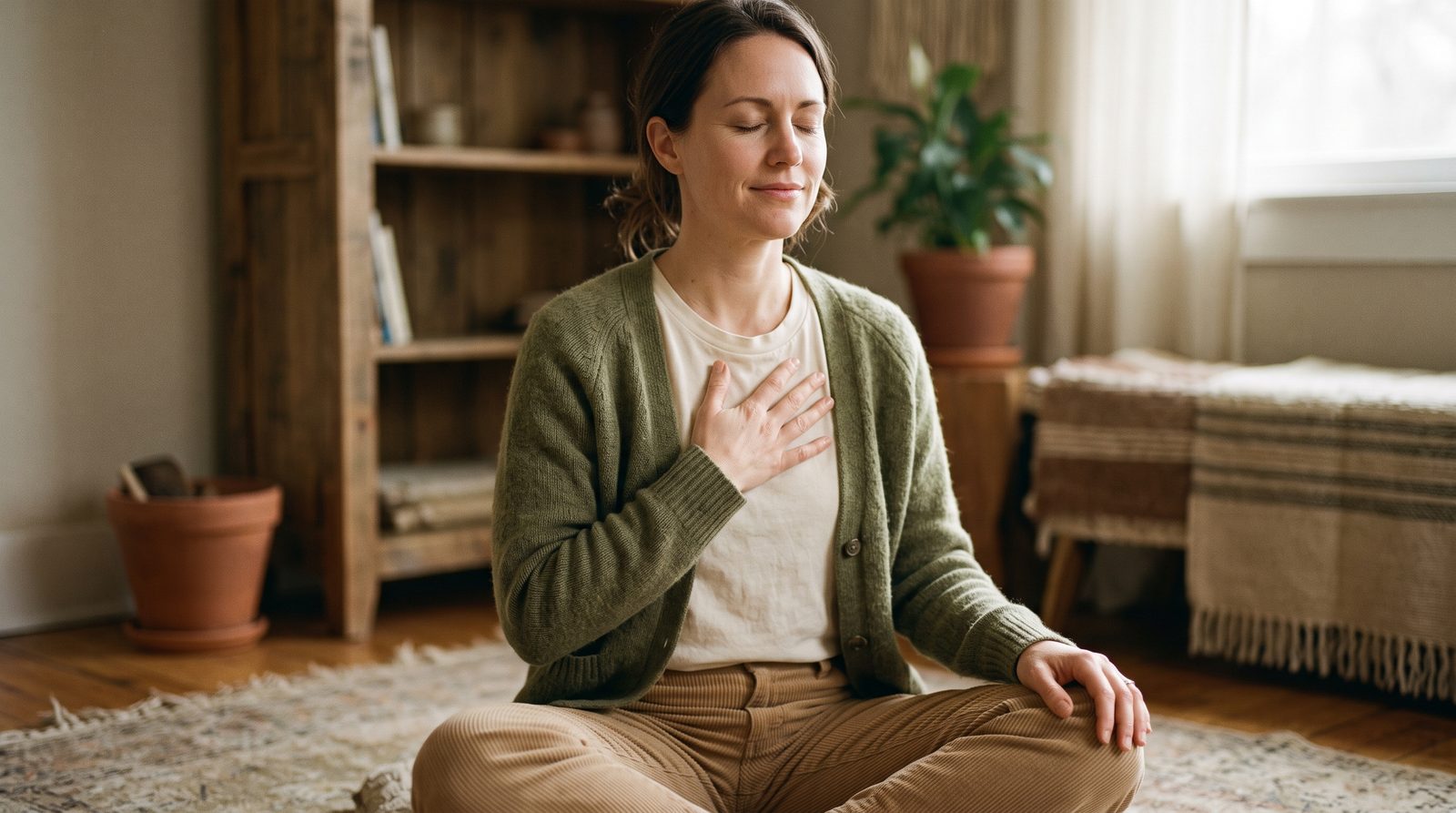
- Anxiety is a whole-body response, not just anxious thoughts: it is your nervous system preparing to protect you.
- The racing heart, tight chest and churning stomach are your fight-or-flight system doing its job, even when there is no real danger.
- Grounding, breathing and mindfulness techniques work with the body to calm the system down.
- Approaches like ACT and CBT, used in counselling, help you respond to bodily anxiety without being ruled by it.
If your anxiety shows up as a pounding heart, a tight chest, a churning stomach or a clenched jaw before your mind even catches up, you are not imagining it. Anxiety is a physical event as much as a mental one.
Your body’s alarm system
When your brain reads a threat, real or imagined, it sets off the fight-or-flight response. Adrenaline and cortisol flood your system: your heart speeds up, your breathing quickens, your muscles tense and digestion slows. It is brilliant when you are facing genuine danger. It is exhausting when it fires at an unread email or a room full of strangers.
Why it feels so physical
Because it is meant to. Those sensations are your body getting ready to act. They are deeply unpleasant, but they are not dangerous, and they pass. Often it is the fear of the sensations themselves, "why is my heart doing that?", that ramps anxiety up further. Understanding what is happening takes some of that second fear away.
The goal is not to never feel anxious. It is to stop being afraid of the feeling, so it loses its grip.
Settling the body: things that help
- Slow the out-breath. A longer exhale than inhale signals safety to your nervous system. Try breathing in for four, out for six.
- Ground through the senses. Name what you can see, hear and feel right now. It brings you out of the spiral and into the present.
- Move. A short walk, or gently shaking out your arms and legs, helps burn off the adrenaline anxiety produces.
- Warmth and slowness. A warm drink, slower movements and softer surroundings all nudge the system down a gear.
- Notice, do not fight. Letting the sensations be there, rather than bracing against them, often helps them settle faster.
When it is bigger than a moment
In-the-moment tools are real and worth having. But if anxiety is frequent, arrives as panic attacks, or is shrinking your life, the deeper work is understanding what keeps the alarm switched on. That is where counselling comes in: ACT helps you carry the physical sensations without being ruled by them, and CBT works with the thoughts that keep the system on high alert. If panic is severe or you are worried about your physical health, it is always worth involving a GP too, and I will say so if it fits.
You can read about individual counselling in Doncaster or book a free 15-minute call, in person or online across Australia.
Frequently asked questions
Why does anxiety make my heart race and chest tighten?
Those are part of your fight-or-flight response: adrenaline preparing your body to act. They are uncomfortable but not dangerous, and they pass.
Are the physical symptoms of anxiety dangerous?
Generally no; they are your body’s alarm system rather than a sign of harm. That said, if you are ever worried about your heart or physical health, it is always worth getting checked by a GP.
What is the fastest way to calm anxiety in the moment?
Slowing your out-breath (in for four, out for six) and grounding through your senses are two of the quickest ways to signal safety to your nervous system.
Do you offer somatic therapy or Somatic Experiencing?
I do not practise Somatic Experiencing specifically. My approach draws on ACT and CBT, which include working with how anxiety shows up in the body through mindfulness, acceptance and practical strategies.
Can counselling help with the physical side of anxiety?
Yes. Counselling helps you understand and respond to bodily anxiety differently, so it has less grip over time.
Do I need a referral?
No. You can book directly, in Doncaster or online.
Megan is an ACA Registered Counsellor and the founder of Metanoia Counselling in Doncaster. For the past eight years she has walked alongside people through anxiety, burnout, grief and seasons of change, in person in Melbourne's east and online Australia-wide.
Sound familiar? Let's talk.
The call is free, private, and there's no obligation.
Book a Free 15-Minute Call